All Exercises
Browse our complete collection of strength training exercises.
Showing 721–750 of 970 exercises
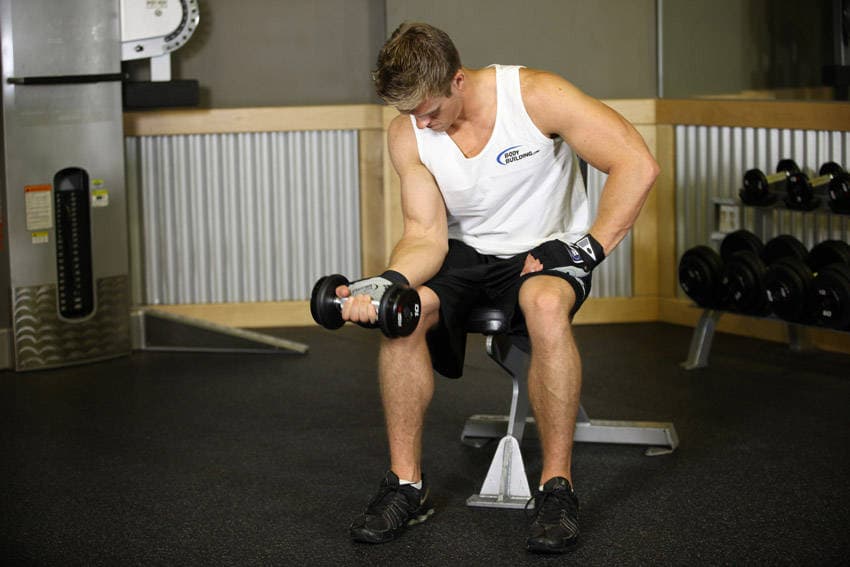
Seated One-Arm Dumbbell Palms-Up Wrist Curl
Sit on a flat bench with a dumbbell in your right hand.
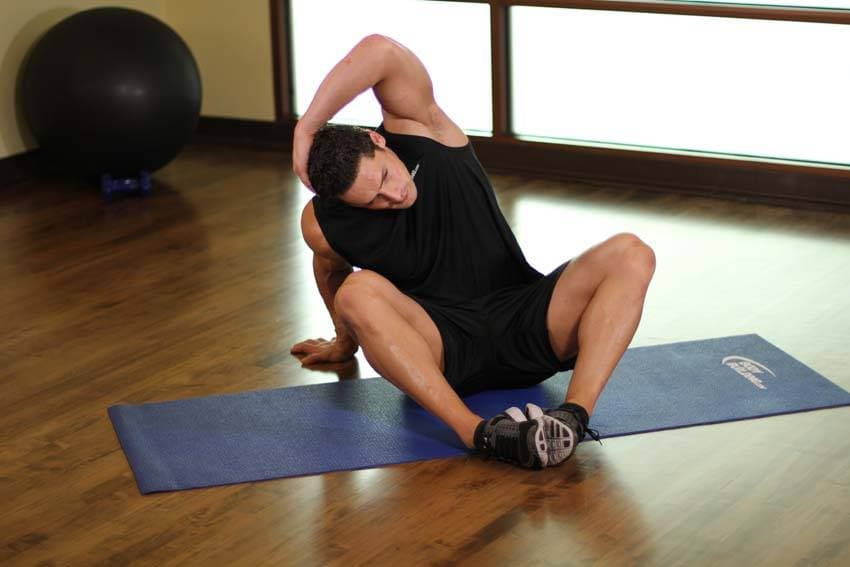
Seated Overhead Stretch
Sit up straight on an exercise mat.
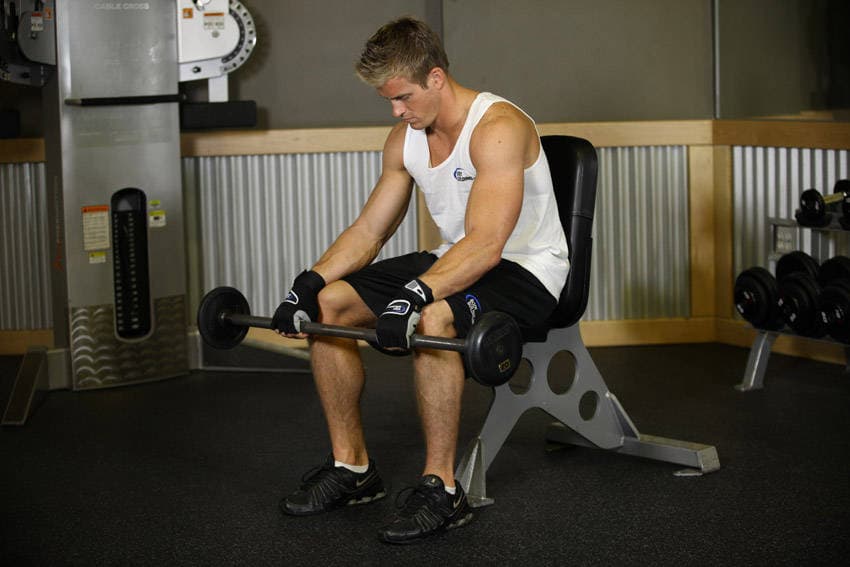
Seated Palms-Down Barbell Wrist Curl
Hold a barbell with both hands and your palms facing down; hands spaced about shoulder width.

Seated Palm-Up Barbell Wrist Curl
Hold a barbell with both hands and your palms facing up; hands spaced about shoulder width.

Seated Side Lateral Raise
Pick a couple of dumbbells and sit at the end of a flat bench with your feet firmly on the floor. Hold the dumbbells with your palms facing in and your arms straight down at your sides at arms' length. This will be your starting position.
Seated Thoracic Rotation
A seated mid-back rotation drill that limits lower-body contribution and keeps the focus on controlled thoracic motion.

Seated Triceps Press
Sit down on a bench with back support and grasp a dumbbell with both hands and hold it overhead at arm's length. Tip: a better way is to have somebody hand it to you especially if it is very heavy. The resistance should be resting in the palms of your hands with your thumbs around it. The palm of the hand should be facing inward. This will be your starting position.

Seated Two-Arm Palms-Up Low-Pulley Wrist Curl
Put a bench in front of a low pulley machine that has a barbell or EZ Curl attachment on it.

See-Saw Press (Alternating Side Press)
Grab a dumbbell with each hand and stand up erect.

Shotgun Row
Attach a single handle to a low cable.
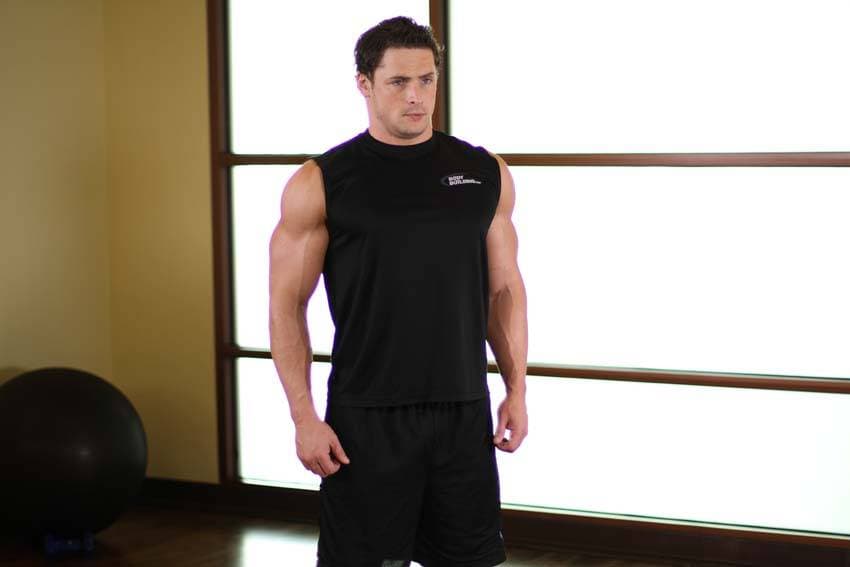
Shoulder Circles
With shoulders relaxed and arms resting loosely at your sides (or in your lap if you're seated), gently roll your shoulders forward, up, back, and down.

Shoulder Press - With Bands
To begin, stand on an exercise band so that tension begins at arm's length. Grasp the handles and lift them so that the hands are at shoulder height at each side.

Shoulder Raise
Relax your arms to your sides and raise your shoulders up toward your ears, then back down.

Shoulder Stretch
Reach your left arm across your body and hold it straight.

Side Bridge
Side Bridge targeting Core.
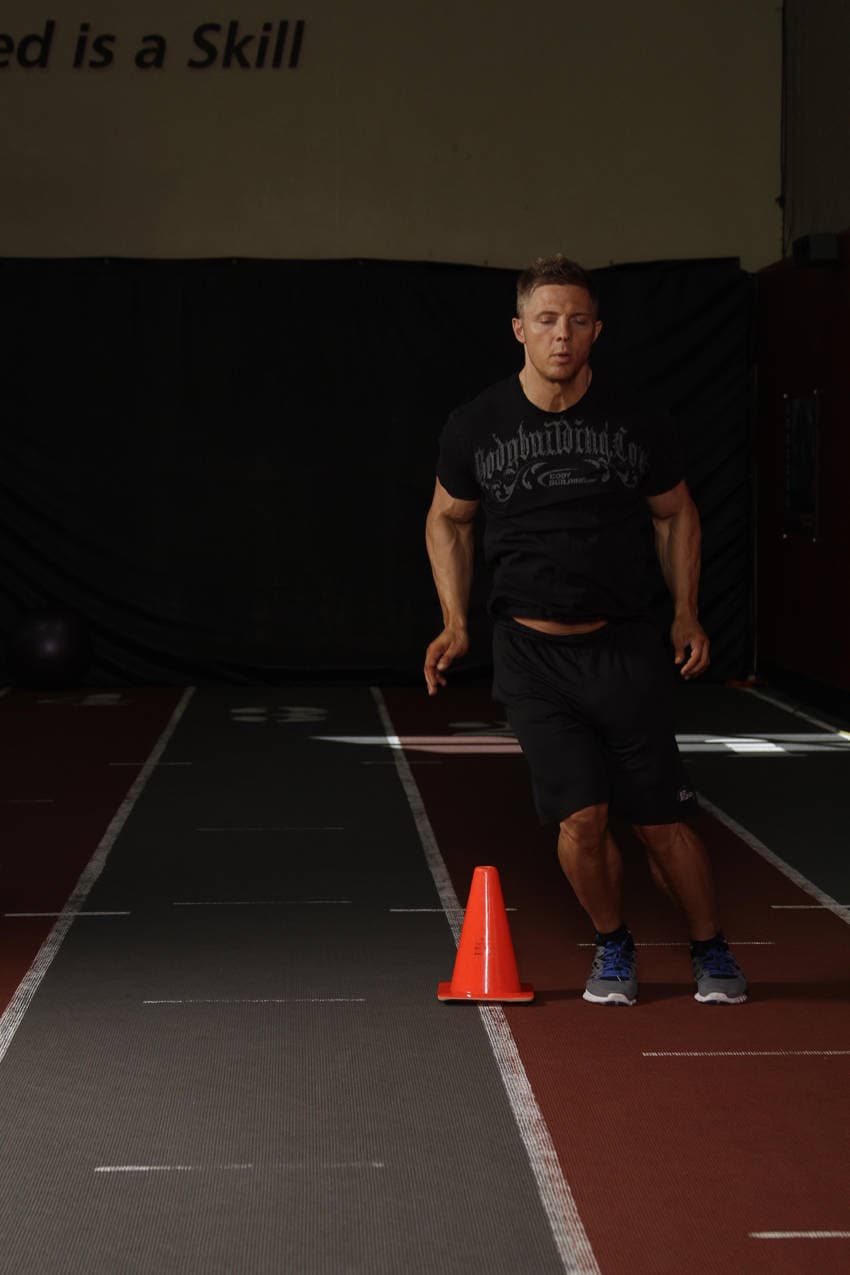
Side Hop-Sprint
Stand to the side of a cone or hurdle.

Side Jackknife
Side Jackknife targeting Core.
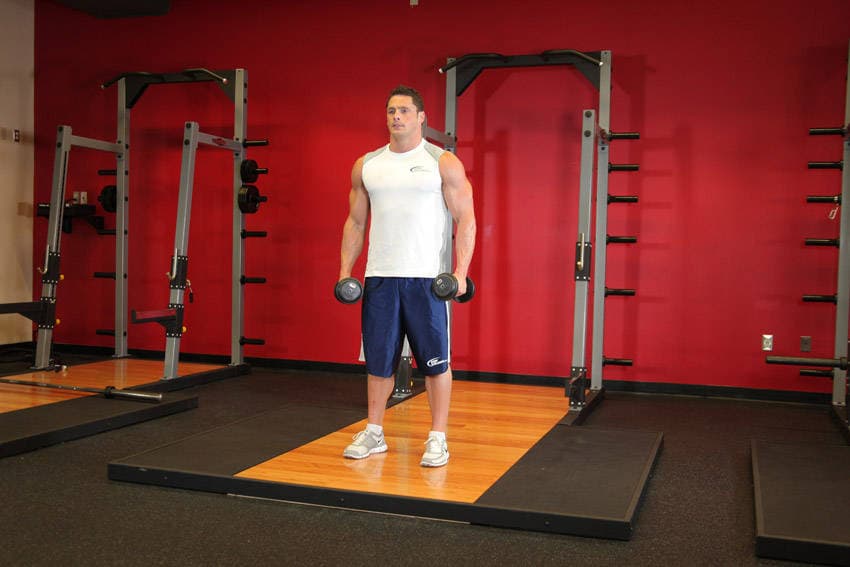
Side Lateral Raise
Pick a couple of dumbbells and stand with a straight torso and the dumbbells by your side at arms length with the palms of the hand facing you. This will be your starting position.

Side Laterals to Front Raise
In a standing position, hold a pair of dumbbells at your side. This will be your starting position.

Side Leg Raises
Stand next to a chair, which you may hold onto as a support. Stand on one leg. This will be your starting position.
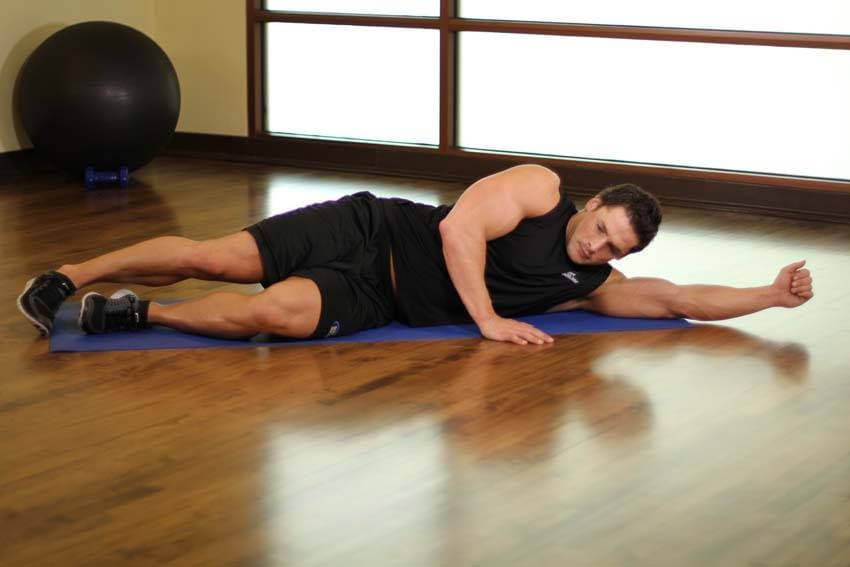
Side-Lying Floor Stretch
First lie on your left side, bending your left knee in front of you to stabilize your torso (use your abdominal muscles as well to hold you upright).
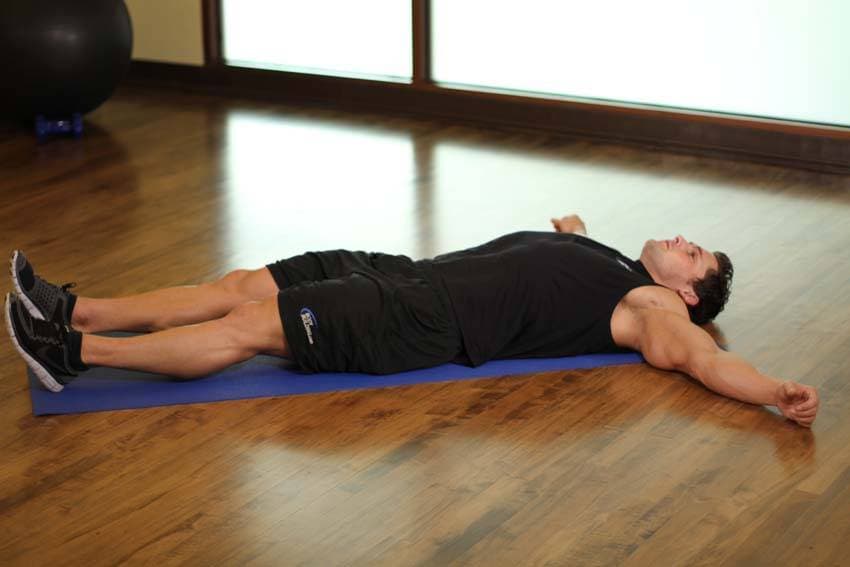
Side Lying Groin Stretch
Start off by lying on your right side and bend your right knee in front of you to stabilize the torso.

Side-Lying Hip Abduction
A side-lying isolation exercise targeting the gluteus medius — the lateral hip stabiliser that controls knee tracking and pelvic level during single-leg stance. A weak glute medius is a common cause of IT-band issues and patellofemoral pain in runners.

Side Neck Stretch
Start with your shoulders relaxed, gently tilt your head towards your shoulder.

Side Plank
A lateral isometric plank that targets the obliques, quadratus lumborum, and lateral hip — the anti-collapse chain that keeps the pelvis level on each foot strike. Late-race trunk stability separates runners who hold form from runners who lose minutes per mile.

Side Plank with Rotation
A dynamic side plank variant with a controlled thread-the-needle rotation — the obliques resist collapse during the rotation phase and drive the return. Adds movement under load to the static side plank, training rotational anti-collapse capacity used on uneven trail surfaces and technical scrambling.
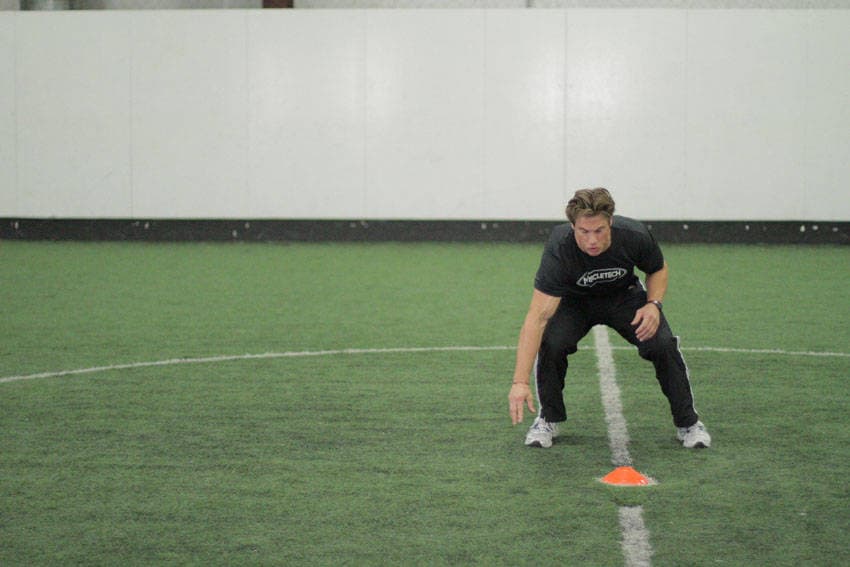
Side Standing Long Jump
Begin standing with your feet hip width apart in an athletic stance. Your head and chest should be up, knees and hips slightly bent. This will be your starting position.
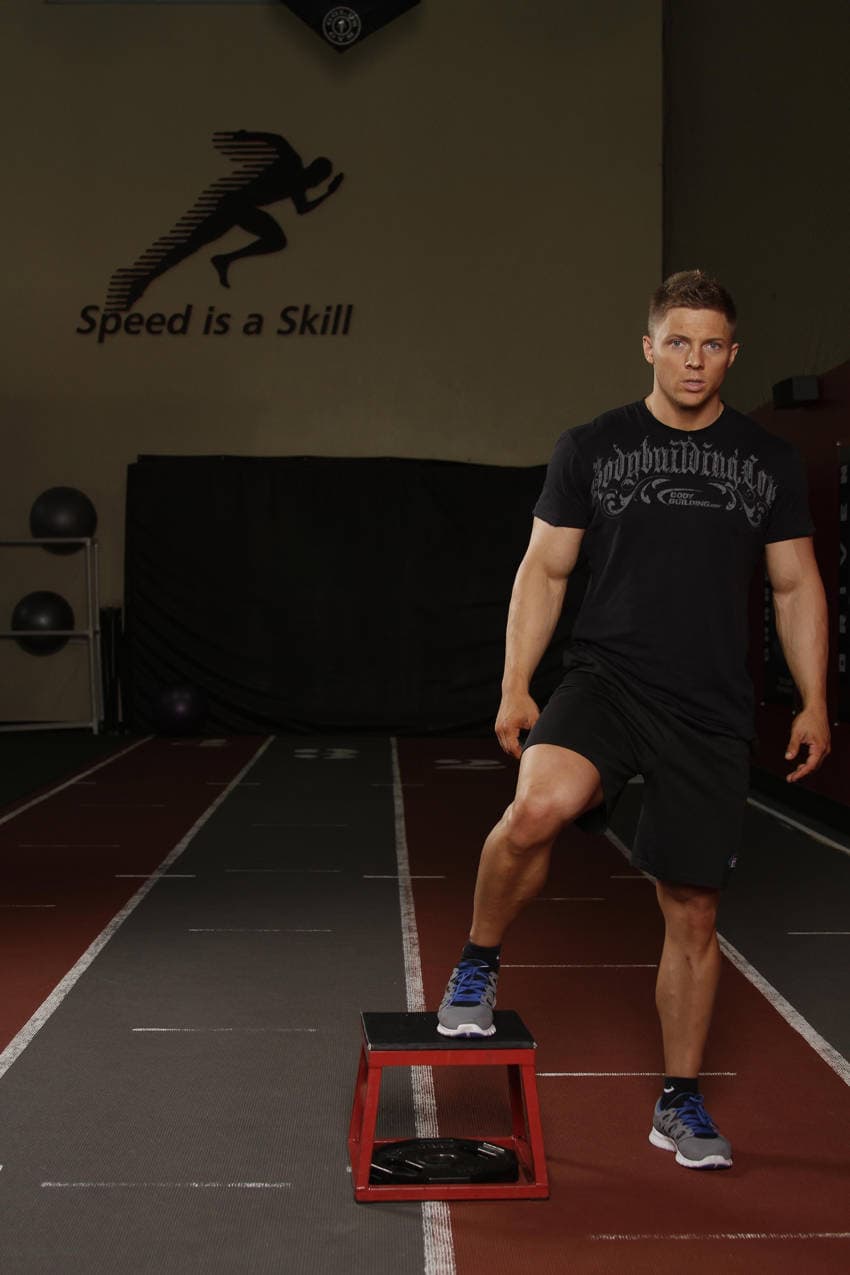
Side to Side Box Shuffle
Stand to one side of the box with your left foot resting on the middle of it.
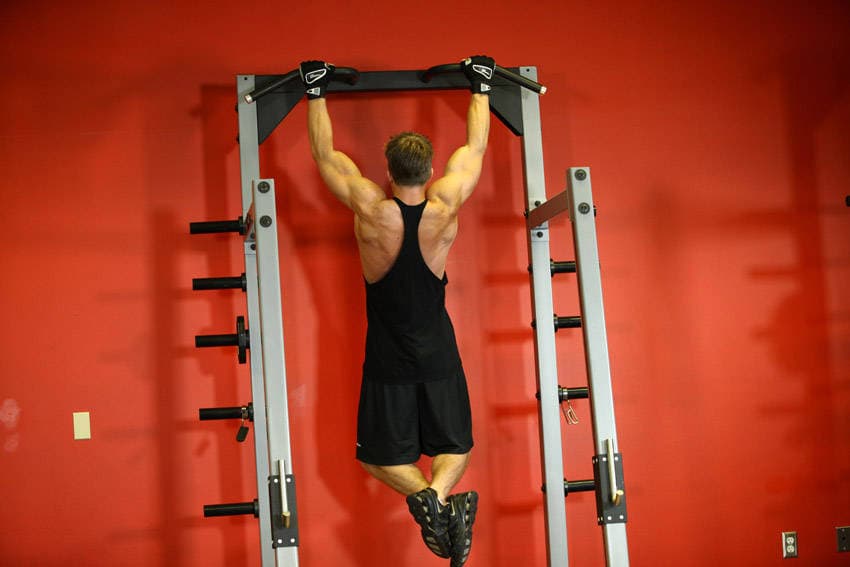
Side To Side Chins
Grab the pull-up bar with the palms facing forward using a wide grip.

Side Wrist Pull
This stretch works best standing. Cross your left arm over the midline of your body and hold the left wrist in your right hand down at the level of your hips. Start the stretch with a bent left arm.
Can't find what you need?
Suggest a new exercise