Bodyweight Exercises
Browse all bodyweight exercises for strength training.
Showing 151–180 of 229 exercises

Rocket Jump
Begin in a relaxed stance with your feet shoulder width apart and hold your arms close to the body.

Runner's Stretch
It's easiest to get into this stretch if you start standing up, put one leg behind you, and slowly lower your torso down to the floor.
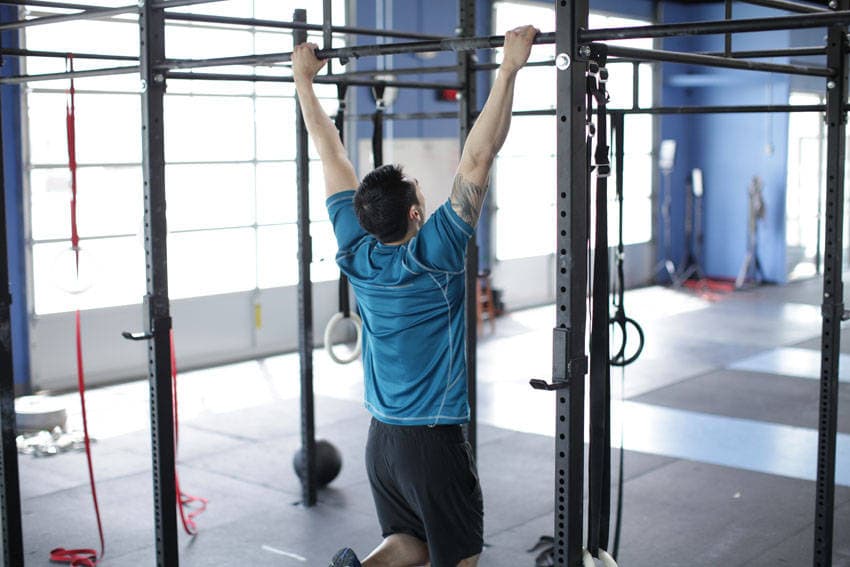
Scapular Pull-Up
Take a pronated grip on a pull-up bar.

Scissor Kick
To begin, lie down with your back pressed against the floor or on an exercise mat (optional). Your arms should be fully extended to the sides with your palms facing down. Note: The arms should be stationary the entire time.
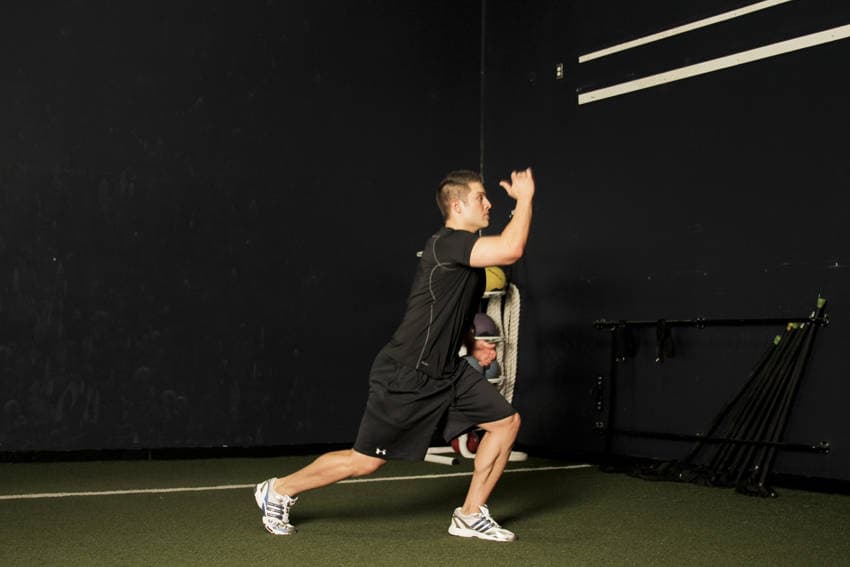
Scissors Jump
Assume a lunge stance position with one foot forward with the knee bent, and the rear knee nearly touching the ground.
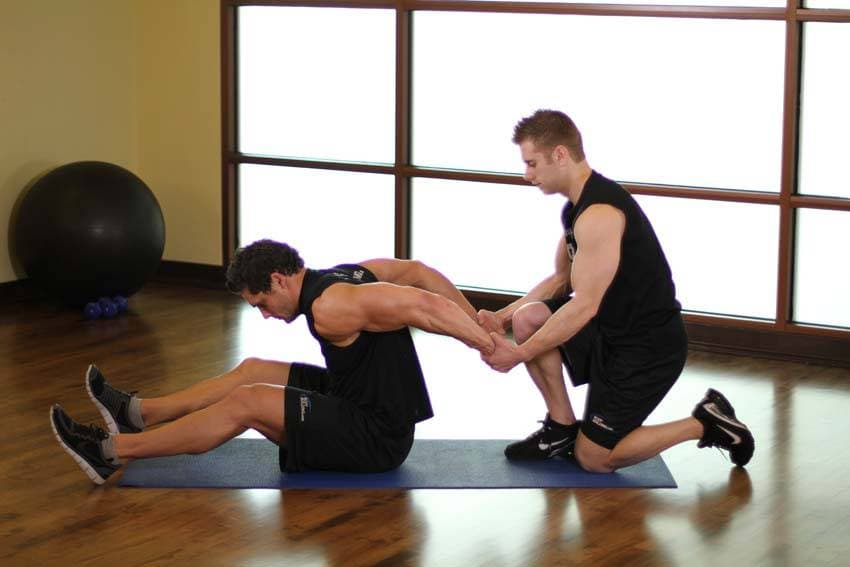
Seated Biceps
Sit on the floor with your knees bent and your partner standing behind you. Extend your arms straight behind you with your palms facing each other. Your partner will hold your wrists for you. This will be the starting position.

Seated Calf Stretch
Sit up straight on an exercise mat.
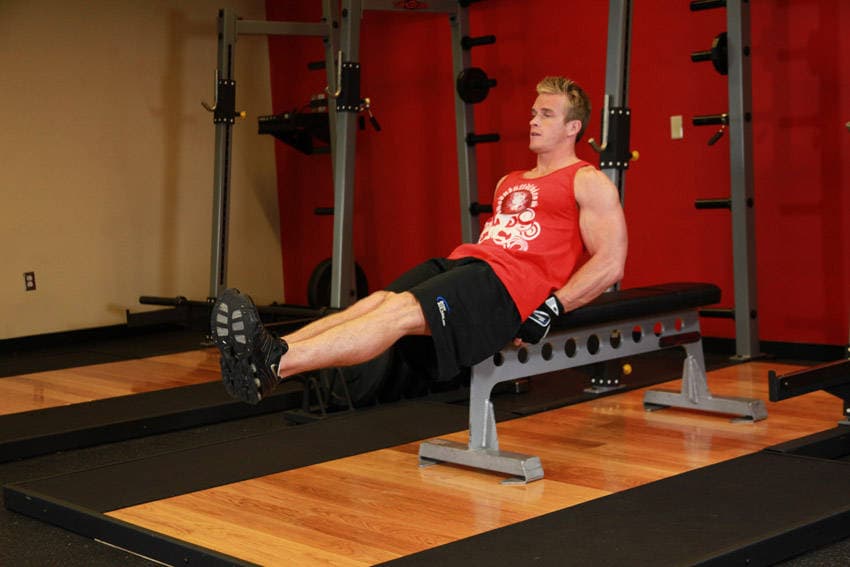
Seated Flat Bench Leg Pull-In
Sit on a bench with the legs stretched out in front of you slightly below parallel and your arms holding on to the sides of the bench. Your torso should be leaning backwards around a 45-degree angle from the bench. This will be your starting position.

Seated Floor Hamstring Stretch
Sit on a mat with your right leg extended in front of you and your left leg bent with your foot against your right inner thigh.

Seated Front Deltoid
Sit upright on the floor with your legs bent, your partner standing behind you. Stick your arms straight out to your sides, with your palms facing the ground. Attempt to move them as far behind you as possible, as your assistant holds your wrists. This will be your starting position.

Seated Glute
In a seated position with your knees bent, cross one ankle over the opposite knee. Your partner will stand behind you. Now, lean forward as your partner braces your shoulders with their hands. This will be your starting position.

Seated Hamstring
In a seated position with your legs extended, have your partner stand behind you. Now, lean forward as your partner braces your shoulders with their hands. This will be your starting position.

Seated Leg Tucks
Sit on a bench with the legs stretched out in front of you slightly below parallel and your arms holding on to the sides of the bench. Your torso should be leaning backwards around a 45-degree angle from the bench. This will be your starting position.
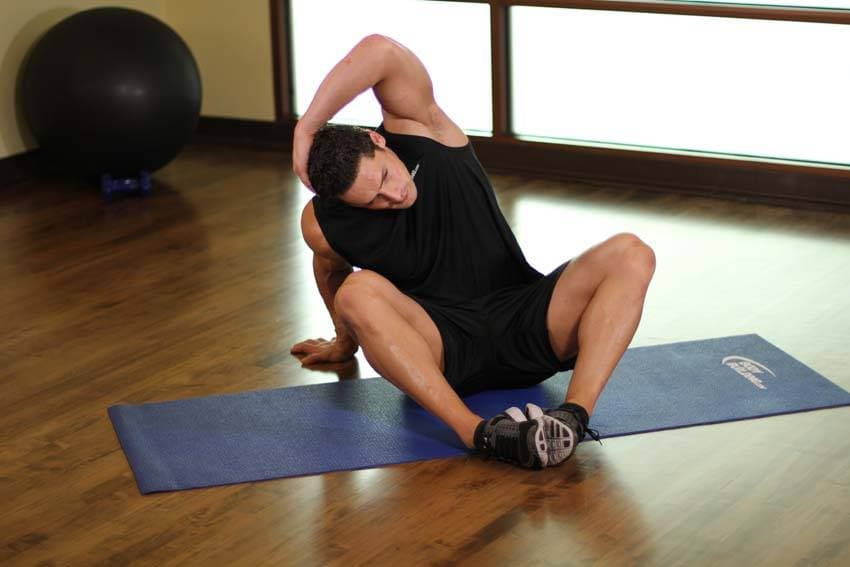
Seated Overhead Stretch
Sit up straight on an exercise mat.
Seated Thoracic Rotation
A seated mid-back rotation drill that limits lower-body contribution and keeps the focus on controlled thoracic motion.
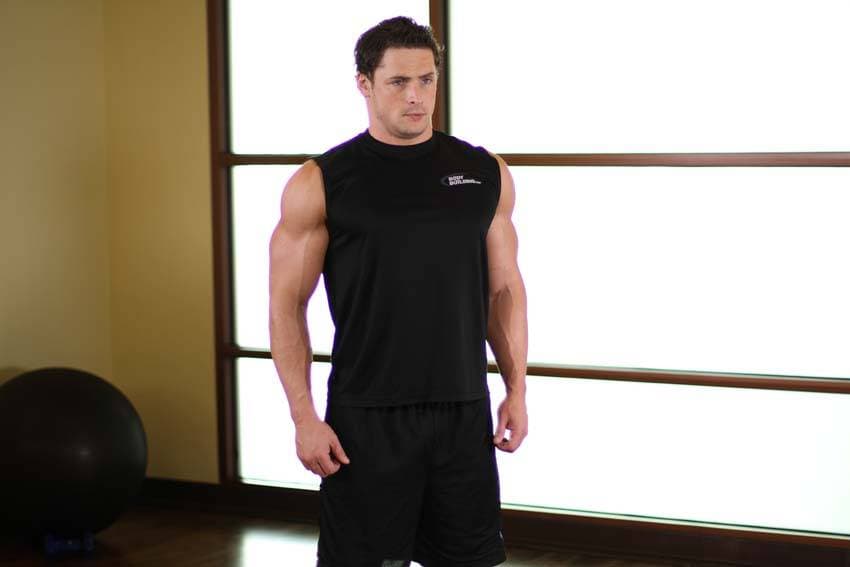
Shoulder Circles
With shoulders relaxed and arms resting loosely at your sides (or in your lap if you're seated), gently roll your shoulders forward, up, back, and down.

Shoulder Raise
Relax your arms to your sides and raise your shoulders up toward your ears, then back down.

Shoulder Stretch
Reach your left arm across your body and hold it straight.

Side Bridge
Side Bridge targeting Core.

Side Jackknife
Side Jackknife targeting Core.

Side Leg Raises
Stand next to a chair, which you may hold onto as a support. Stand on one leg. This will be your starting position.
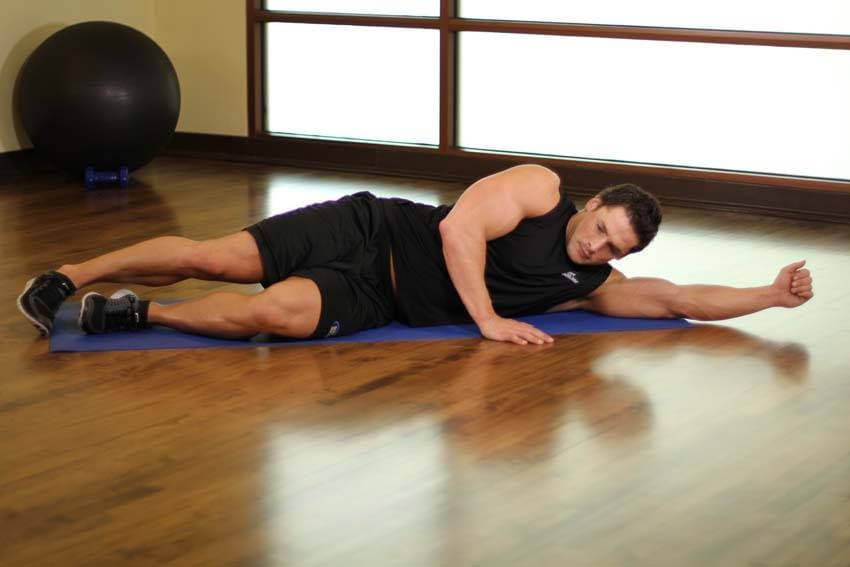
Side-Lying Floor Stretch
First lie on your left side, bending your left knee in front of you to stabilize your torso (use your abdominal muscles as well to hold you upright).
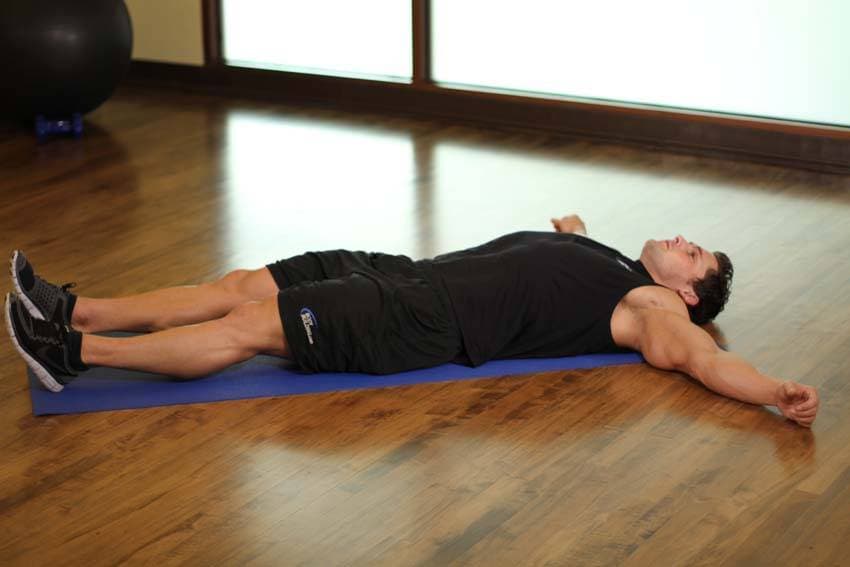
Side Lying Groin Stretch
Start off by lying on your right side and bend your right knee in front of you to stabilize the torso.

Side-Lying Hip Abduction
A side-lying isolation exercise targeting the gluteus medius — the lateral hip stabiliser that controls knee tracking and pelvic level during single-leg stance. A weak glute medius is a common cause of IT-band issues and patellofemoral pain in runners.

Side Neck Stretch
Start with your shoulders relaxed, gently tilt your head towards your shoulder.

Side Plank
A lateral isometric plank that targets the obliques, quadratus lumborum, and lateral hip — the anti-collapse chain that keeps the pelvis level on each foot strike. Late-race trunk stability separates runners who hold form from runners who lose minutes per mile.

Side Plank with Rotation
A dynamic side plank variant with a controlled thread-the-needle rotation — the obliques resist collapse during the rotation phase and drive the return. Adds movement under load to the static side plank, training rotational anti-collapse capacity used on uneven trail surfaces and technical scrambling.
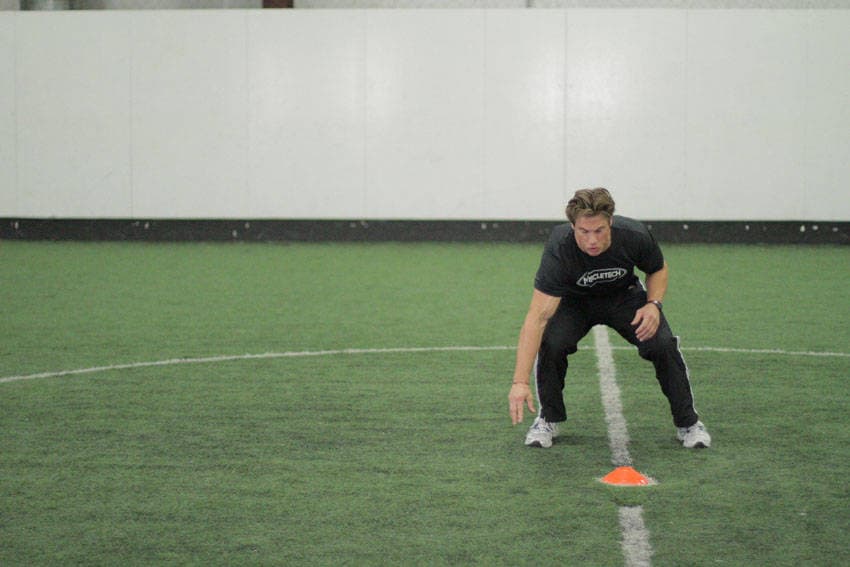
Side Standing Long Jump
Begin standing with your feet hip width apart in an athletic stance. Your head and chest should be up, knees and hips slightly bent. This will be your starting position.

Side Wrist Pull
This stretch works best standing. Cross your left arm over the midline of your body and hold the left wrist in your right hand down at the level of your hips. Start the stretch with a bent left arm.

Single-Arm Push-Up
Begin laying prone on the ground. Move yourself into a position supporting your weight on your toes and one arm. Your working arm should be placed directly under the shoulder, fully extended. Your legs should be extended, and for this movement you may need a wider base, placing your feet further apart than in a normal push-up.
Can't find what you need?
Suggest a new exercise